How We Help Children With Emotional Regulation
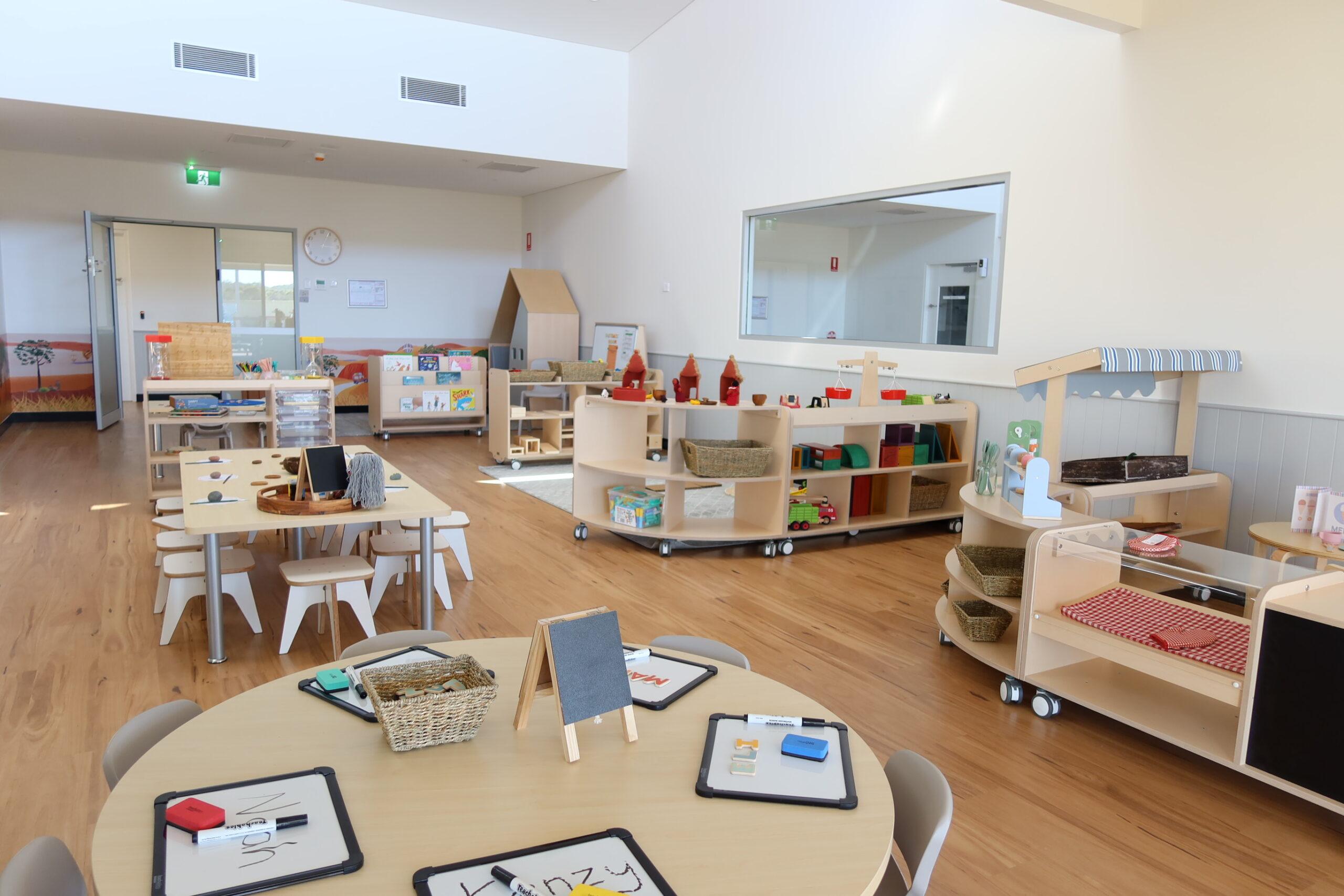
Learning to handle big feelings is a normal and natural part of growing up. During the early years, children feel a wide range of emotions, from joy and excitement to sadness, fear and anger, and these feelings can be frustrating and overwhelming. Because self-regulation skills are still developing, emotional regulation in children needs plenty of gentle, patient support to help them understand and manage their feelings.
As a parent, you want to know that when your child feels overwhelmed or frustrated, they’ll be cared for by adults who respond with empathy, calm guidance and understanding.
At Kindikids, we believe emotional development is an essential foundation for lifelong learning. Helping children recognise, talk about and regulate strong and unfamiliar emotions is a key part of our everyday care and educational approach.
Here are five ways we teach and nurture emotional regulation in our early learning environments.
1. Trusted relationships as an emotional anchor
Children learn to regulate through co-regulation: feeling safe with a calm and responsive adult. Our educators build trust with children through predictable routines and a comforting presence when big feelings come.
2. Teaching emotional literacy
Before children can manage their emotions, they need the words to express them. Educators help children name their feelings (“I can see that you’re frustrated”), read books about emotions together and encourage words or gestures instead of reactive behaviours.
3. Calming spaces to rest and reset
Every child regulates differently. As part of our commitment to inclusive spaces, we offer cosy, quiet corners, soothing sensory materials like playdough and sand, and a flexible daily flow so children can pause and reset whenever they need to.
4. Guiding social interactions and conflict resolution
Taking turns and sharing involve a lot of emotional practice. Educators treat small conflicts as learning opportunities, modelling empathy, guiding fair turn-taking and maintaining strict child safety and positive boundaries.
5. Partnering with families through innovation
Emotional growth happens both at home and in early learning. Through the Kindikids App and daily handovers, we share updates and strategies with families so children get consistent support across both environments.
Nurturing confident and resilient learners
When children are given the tools to understand their feelings, they become more resilient and self-confident and form strong social connections. Learning to handle their emotions helps them adapt calmly to everyday challenges. Read more about what connection means at Kindikids.
At Kindikids, we believe that connections inspire learning, and supporting your child’s emotional wellbeing is at the heart of everything we do.
If you’re looking for an early learning centre in Ryde and want to see how our warm environment can support your child’s overall growth, we warmly welcome you to prenota un tour and visit our centre.
What Does Connection Mean at Kindikids?
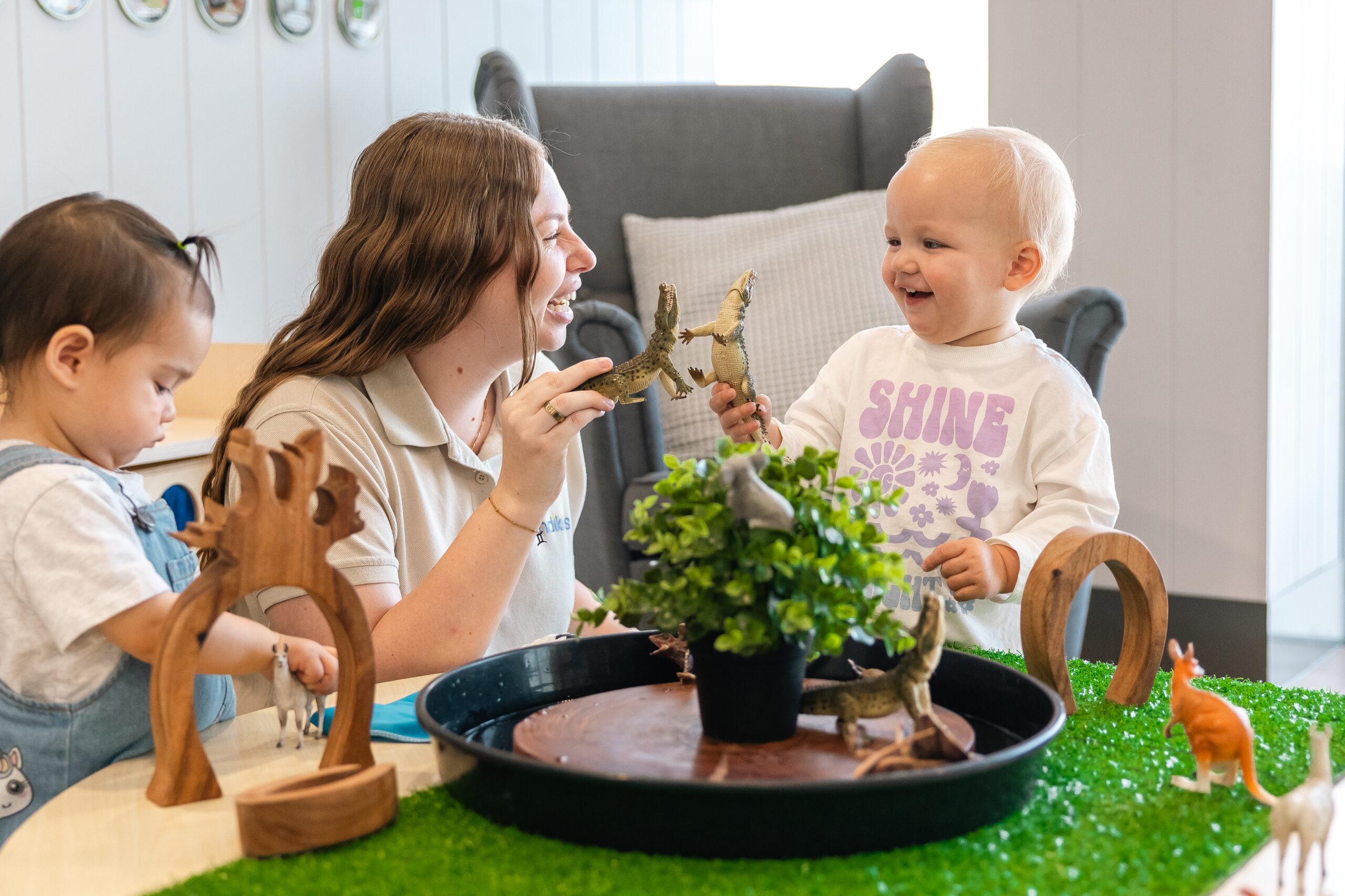
Starting at an early learning centre in Ryde is a really important step for any family. When you’re looking for childcare, you’re not just looking for the closest centre or the shiniest toys. You’re searching carefully for a place where you know your child will be safe, cherished and cared for by educators who genuinely care about their wellbeing. At the heart of a positive early learning experience is a deep and meaningful sense of connection.
At Kindikids, our core belief is that Connections Inspire Learning. But what does connection actually look like in our everyday routines, learning environments and relationships?
If you’re comparing childcare options, understanding how genuine connection shapes your child’s day can help you feel more confident in choosing the right centre for your family. Here’s what connection means at Kindikids and how it supports your child’s growth every single day.
Building trust between educators and children
For children, feeling emotionally safe is the foundation for wanting to learn and explore. They need to know they have a caring adult to turn to, someone who helps them feel brave enough to try new things, talk, make friends and share their feelings. During your child’s day, connection shows up through:
- Warm greetings for every child every day, with time to settle in comfortably each morning
- Close attention to each child’s emotional cues and comfort routines, and respect for their personal space
- Strong, familiar bonds between each child and the educators in their room
When educators create a secure, nurturing space, children feel valued, heard and supported throughout their early learning journey.
This focus on secure, respectful relationships is also at the heart of the Early Years Learning Framework (EYLF V2.0), which guides the play-based program at every Kindikids centre.
Creating an inclusive environment
Connection means making sure every child and family feels welcome, respected and included in our community. Every child comes to us with their own personality, cultural background and learning style. We build inclusivity and connection by:
- Celebrating diverse family traditions, languages and cultures in our learning spaces
- Adapting play experiences so children of all developmental stages and abilities can join in happily together
- Encouraging children to listen, show empathy and appreciate what makes each of their friends unique
An inclusive community gives children a strong sense of belonging, which builds self-confidence and respect for others.
Nurturing friendships and social skills
Learning how to connect with friends is one of the most exciting parts of early childhood. Through guided play and shared routines, educators gently help children:
- Share and cooperate through turn-taking, group art projects and outdoor play
- Communicate their needs, express their feelings, resolve small conflicts and listen to their friends
- Practise empathy by understanding how others feel and offering a helping hand or kind words
These everyday interactions help children build meaningful friendships and lay the foundation for positive social habits as they grow.
Keeping children safe and healthy through daily routines
A connected environment is naturally a safe environment. When educators know each child well, they can proactively support their physical health, safety and hygiene throughout the day through:
- Attentive supervision
- Building hygiene habits like routine handwashing and self-care
- Calm mealtimes with healthy, nutritious meals
Consistent, predictable routines help children feel secure and confident in their daily habits.
Partnering with families and embracing innovation
Connection doesn’t stop at the centre door. It extends to the whole family. We believe parents are a child’s first and most important teachers, and a strong partnership between home and early learning creates the best outcomes for your child. We build family connections by:
- Sharing updates on your child’s sleep, meals, learning observations and daily highlights in real time through the Kindikids App
- Working together with families on individual milestones, settling-in routines and developmental goals
Experience our early learning centre in Ryde firsthand
Choosing an early learning centre is all about finding the place where your whole family feels at home. When children feel connected to their educators, friends and environment, they keep learning, growing and exploring.
At Kindikids, we’re dedicated to creating a warm and welcoming environment where every child feels valued, supported and inspired to learn through meaningful connections each day.
If you’re looking for an early learning centre in Ryde and want to see how our connection-focused approach can support your child, we warmly invite you to prenota un tour. You might also find our guide on how to choose the right childcare centre in Ryde helpful.
What Skills Can Your Child Develop From Childcare?
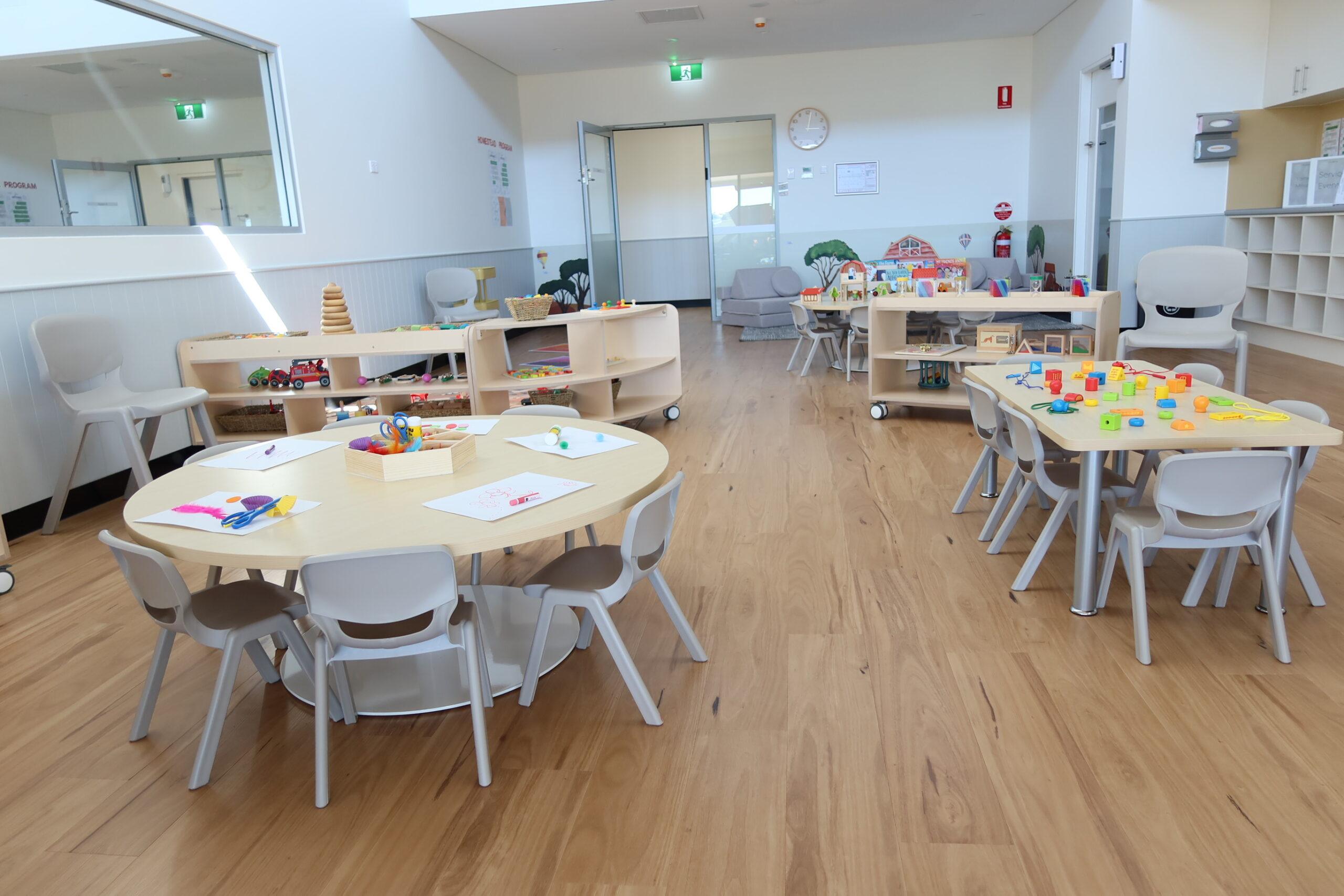
We all know how important the early years of a child’s life are. They’re full of growth, curiosity and the drive for new experiences. An early learning environment is more than just a place to spend the day. It’s a place that nurtures your child and keeps them safe, where they learn life skills and build confidence and independence.
Here’s a look at the skills children develop in childcare, and why starting early can make all the difference.
1. Friendships and social skills
Kids naturally love to play, and playing together is how they learn to form bonds. Through guided play and daily routines, children learn:
- Belonging: feeling part of a welcoming group where everyone’s uniqueness is appreciated
- Empathy: understanding and showing compassion for others’ feelings
- Sharing and teamwork: taking turns, communicating politely and working together on tasks
Children are more confident to explore and thrive when they feel emotionally secure, which is built through trusted relationships with educators and other children.
2. Independence
Children are excited to do what the grown-ups do, and they build pride and confidence by doing things for themselves. Daily routines encourage self-reliance through:
- Taking care of their belongings, like unpacking lunch boxes and hanging up their own bags
- Playing with toys properly and packing them away after playtime
- Practising everyday hygiene habits with child safety in mind, such as proper handwashing in line with the NHMRC’s Staying Healthy (6th Edition)
3. Communication
Early childhood classrooms are all about connecting, conversation, story time and singing. Educators actively nurture communication by helping children:
- Express their big and small thoughts, needs and emotions clearly
- Listen to others, especially during group stories and mealtimes
- Build foundational vocabulary and pre-literacy skills through play-based interactions
4. Reaching key developmental milestones
Early learning programs follow the Early Years Learning Framework (EYLF V2.0) to support each child’s unique journey. Through interactive, play-based settings, children strengthen their:
- Cognitive skills: problem solving through puzzles, creative building and sensory exploration
- Motor skills: outdoor play, running, drawing and fine-motor activities
- Emotional skills: learning to manage big and small feelings with gentle guidance from caring educators (see how we help children with emotional regulation)
The benefits of starting early
Starting early gives children a head start in building routines and self-confidence. Younger children usually adapt more easily to group settings and transition more smoothly into formal schooling later on, benefiting greatly from rich, structured learning environments.
Experience the difference firsthand
At Kindikids, we believe every child learns happily in an environment where they feel safe, valued and encouraged to explore.
The best way to see how a warm and supportive environment can nurture your child’s growth is to experience it for yourself. Book a tour with us to meet our passionate team, explore our learning spaces and discover a welcoming community for your family at our early learning centre in Ryde.
Why Are Early Intervention and Health Checks So Important for Your Child?
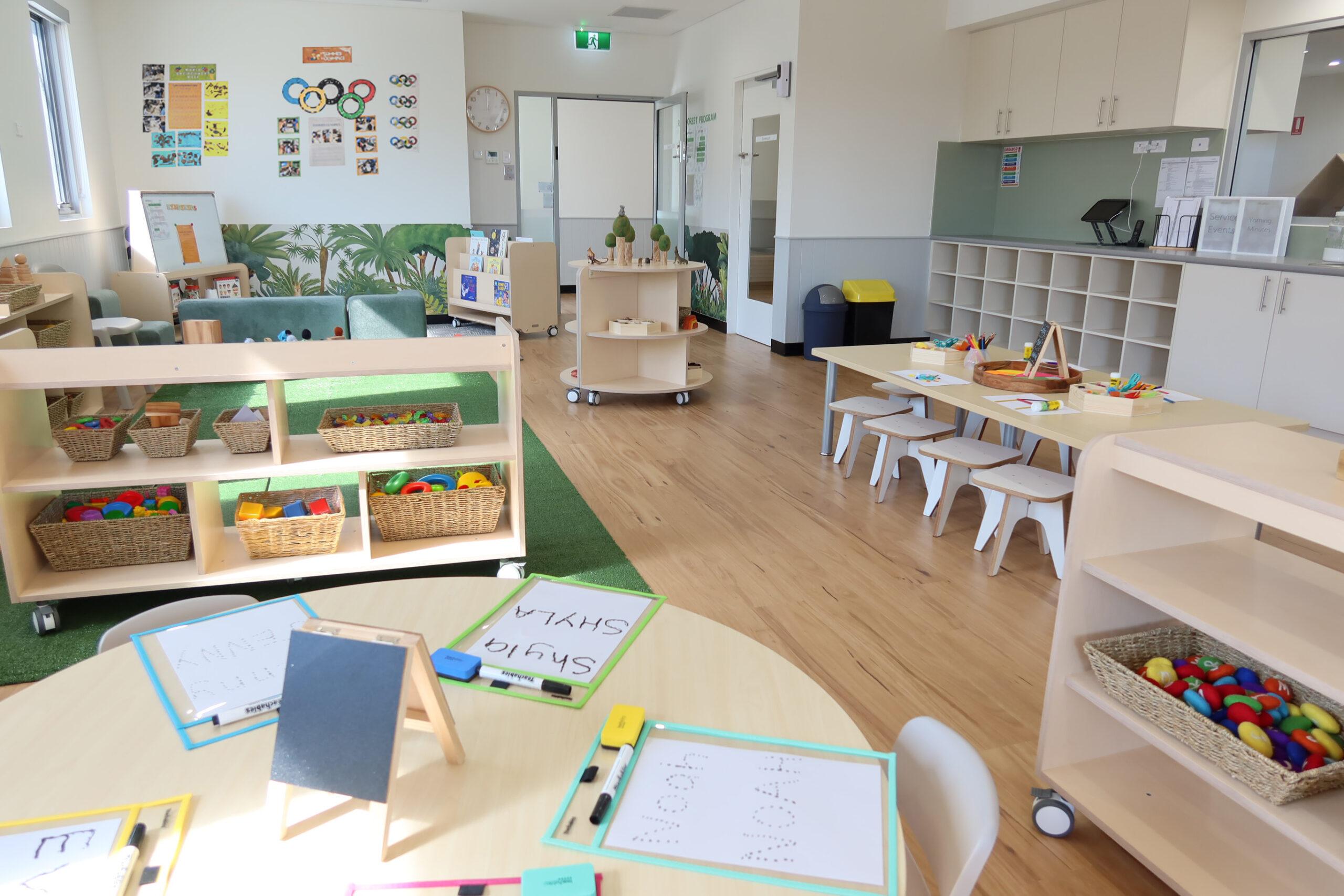
Rapid milestones, new leaps in learning and everyday discoveries are all part of the early years of a child’s life. It’s a joyful experience to watch your child explore the world around them, and keeping a close eye on their physical, developmental and overall health is an important part of supporting their journey.
As a parent, you want to know your child is supported at every step of their growth, from their emotional wellbeing to their physical health.
Early health checks and developmental screenings play a crucial role in giving children the best foundation possible. When small changes in vision, hearing, speech, dental health or motor skills are identified early, timely support can make a significant difference to a child’s confidence and lifelong learning.
If you’re exploring early learning options or want to support your child’s growth at home, understanding which health checks to look out for can help give your child a bright, confident start.
At Kindikids, we believe that Connections Inspire Learning. Observing each child allows us to holistically nurture their unique strengths while supporting their health and wellbeing every single day.
What is early intervention in the early years?
Early intervention simply means noticing and responding to small developmental or physical needs as early as possible, ideally before a child starts primary school.
Instead of a “let’s wait and see” approach, early health screenings allow parents, health professionals and educators to work together. This proactive care helps children receive the right support during these critical formative years, while their brain development and physical growth are most adaptable.
Here are five key health and developmental areas worth keeping in mind.
1. Dental health and oral hygiene
Early oral hygiene is the foundation for healthy speech, comfortable eating and a confident smile. Establishing good dental habits early helps prevent early childhood tooth decay (caries) and teaches children healthy hygiene routines.
In line with national guidelines set out in the NHMRC’s Staying Healthy (6th Edition), early childhood environments play a key role in promoting health and safety, routine hand hygiene and balanced nutrition to protect young teeth and general wellbeing.
2. Vision screening
Children rarely complain about vision problems, because they assume everyone else sees the world the same way they do. Vision issues such as lazy eye (amblyopia) or refractive errors can affect how a child learns to read, draw and move around their environment.
In New South Wales, initiatives such as the Statewide Eyesight Preschooler Screening (StEPS) program offer free vision screening for 4-year-old children. Detecting visual challenges early ensures children have the visual clarity they need for learning and social connection.
3. Hearing screening
Clear hearing is directly tied to speech, language learning and social interaction. Fluctuating hearing loss caused by common childhood conditions like middle ear fluid (glue ear) can quietly affect how a child understands instructions and connects with other children.
Early screening ensures persistent fluid or underlying issues are addressed quickly. In early learning settings, educators stay mindful of listening behaviours, such as children asking for things to be repeated or misinterpreting soft sounds, and support families in seeking timely health reviews.
4. Speech and language development
Children use speech and language to share their ideas, process their thoughts and talk about their feelings and needs. Early communication checks look at both:
- Expressive language: how children form words, phrases and clear speech sounds
- Receptive language: how well children understand instructions, conversations and stories
When communication difficulties are found early, targeted speech pathology support gives children the tools to communicate comfortably with adults and other children.
5. Occupational therapy and motor skills
Occupational therapy (OT) in early childhood focuses on a child’s essential everyday skills: playing, self-care and learning. Occupational checks look at:
- Fine motor skills: hand strength, pincer grasp, scissor use and drawing
- Gross motor skills: balance, coordination, jumping and spatial awareness
- Sensory processing and self-regulation: how children process sensory input like sound, texture or movement, and how they transition between quiet and active routines
How early learning centres support developmental growth
A quality early learning environment is designed to complement health checks and frameworks like the Early Years Learning Framework (EYLF V2.0) and the National Quality Standard (NQS).
Educators create play-based learning settings that allow children to practise their motor, language and social skills naturally. Through inclusive play spaces, flexible routines and strict adherence to child safety protocols, each child is encouraged to join in at their own comfortable pace. You can read more about this in our article on the skills children develop in childcare.
Partnering with families for peace of mind
Navigating early developmental milestones doesn’t have to be overwhelming. At Kindikids, we focus on building trusted relationships with families, with open communication about your child’s daily progress, health habits and overall wellbeing.
Through innovative learning environments and warm, attentive guidance, we create spaces where every child feels safe, valued, encouraged to thrive and, of course, free to have fun!
If you’re exploring early childhood options and want to see how our nurturing community suits your child, we warmly welcome you to prenota un tour at our early learning centre in Ryde. Experience our learning spaces firsthand and feel confident about the next step for your child.
How to Choose the Right Childcare Centre in Ryde?

Choosing a childcare centre in Ryde is a big decision for any family. You’re not simply looking for somewhere convenient for your child to spend the day. You want to know they’re safe, well cared for and surrounded by people you can trust, while also being given opportunities to learn, explore, build confidence and develop meaningful relationships. The right childcare centre should give your child a secure and nurturing environment where they can thrive — and give you confidence that they’re in good hands.
If you’re currently looking for childcare in Ryde, visiting and comparing a few centres can help you get a genuine feel for where your child and your family will feel most at home.
Here are seven things worth considering before making your decision.
Choose a Centre That Works for Your Whole Family
A childcare centre can have a wonderful educational program, but it also needs to work practically for your family.
Think about what an ordinary weekday will look like.
How far is the centre from home or work? Is parking straightforward at drop-off and pick-up? Is public transport available if you need it? Do the centre’s operating arrangements suit your family’s schedule?
These practical details might seem less important than education or facilities when you’re initially comparing centres, but they can make a significant difference when you’re doing the childcare run several times a week.
For Kindikids Ryde families, the Victoria Road location includes underground parking and pram storage, with public transport close to the centre.
Ultimately, the right centre should work for your child and your family.
Make Child Safety a Priority
Of all the questions you ask when choosing childcare, some of the most important should be about safety.
Look beyond whether a centre simply looks secure and ask about its approach to child safety, supervision and wellbeing.
How is access to the centre managed? How are children supervised? What procedures are in place to identify and respond to concerns? How does the centre create an environment where children feel secure, heard and supported?
Child safety is a major focus at Kindikids. The organisation states that its practices align with both the National Principles for Child Safe Organisations and the NSW Child Safe Standards, with an emphasis on preventing harm, identifying concerns early and supporting children’s safety, wellbeing and sense of belonging.
For parents comparing childcare in Ryde, this is an area worth discussing in detail during every centre tour.
Visit the Childcare Centre Before You Decide
Websites, photographs and reviews can help you create a shortlist, but nothing quite replaces visiting a childcare centre yourself.
A centre tour gives you an opportunity to see how the environment actually feels during the day.
Pay attention to things such as:
- How educators speak and interact with children
- Whether children appear comfortable, engaged and involved
- Indoor and outdoor learning and play spaces
- Cleanliness and organisation
- Sleeping, eating and changing facilities
- Security and entry procedures
- How drop-off and pick-up are managed
- Whether you feel comfortable asking the educators questions
Don’t underestimate your own impression of the centre either. Can you picture your child spending their days there? Do you feel welcomed? Are your questions answered openly?
For families considering Kindikids Ryde, the centre is located at 486–488 Victoria Road, Ryde NSW 2112. It is a custom-built facility with underground parking and pram storage, with public transport nearby. Families can also explore many of the centre’s indoor and outdoor environments through an online virtual tour before booking an in-person visit.
Look Beyond the Activities to the Centre’s Approach to Learning
When you visit a childcare centre, you’ll probably see plenty of toys, books, art supplies and activities. But it’s worth asking why those experiences have been chosen and how they contribute to children’s development.
Quality early childhood education isn’t simply about preparing children academically for school. It’s also about helping children develop confidence, communication skills, independence, curiosity and the ability to build relationships with others.
Ask educators how they plan learning experiences, how children’s individual interests are incorporated and how the program changes as children develop.
At Kindikids Ryde, education is holistic, child-centred and play-based. Educators observe children’s interests and use these observations as part of the planning process, creating experiences that encourage continued learning and development.
This means learning isn’t limited to a set activity or a particular part of the day. Everyday experiences, play, conversations, routines and interactions can all become opportunities to learn.
Every Kindikids program is guided by the Early Years Learning Framework (EYLF V2.0) and the National Quality Standard.
Consider Your Child’s Age and Stage of Development
Every child develops differently, and what a baby needs from childcare can look very different from what a three- or four-year-old needs.
Babies generally benefit from consistency, responsive care and routines that take their individual needs into account. As children move into their toddler years, opportunities for exploration, communication, movement and increasing independence become particularly important.
For preschool-aged children, learning begins to include the skills and confidence that can support their transition to school.
When comparing childcare centres in Ryde, ask how the centre supports children as they move through different developmental stages. You may want to discuss settling into care, sleep routines, toilet training, social development, independence and school readiness.
Kindikids Ryde provides different learning environments within its purpose-built centre, including nursery and other age-appropriate learning and play spaces designed to support children as they grow.
Ask About Meals and Everyday Routines
Children spend a significant part of their week at childcare, so the everyday details matter.
Ask what food is provided, where it is prepared and how allergies, dietary requirements and cultural preferences are managed.
It is also worth asking about rest and sleep routines, nappy changes, toilet training and how much flexibility there is around an individual child’s needs.
At Kindikids Ryde, food is prepared and cooked on-site each day. The daily menu includes breakfast, morning tea, lunch and fruit, afternoon tea and a late snack. Menus can also be adjusted for dietary and cultural requirements and follow Australian Government guidelines.
For parents looking for a little inspiration at home, Kindikids also shares some of its recipes through its online resource library.
Find Out How You’ll Stay Connected During the Day
For many parents, particularly when a child is first starting childcare, being away from them can take some adjustment too.
Knowing how the centre communicates with families can make a real difference.
Ask how you’ll find out about your child’s day. Will you receive information about meals and sleep? Will educators share learning observations and milestones? How are important updates communicated?
Kindikids families have access to the Kindikids App, which allows parents to follow their child’s experiences and learning. Updates can include observations and achievements as well as practical information such as meals, toileting and sleep routines.
Good communication shouldn’t feel like a one-way stream of notifications, either. A strong partnership between families and educators allows both to share information and better understand what each child needs.
Finding the Right Childcare Centre in Ryde
There isn’t one single question that will tell you whether you’ve found the right childcare centre.
Instead, look at the whole picture.
Consider how your child will be cared for, how they will learn and play, how educators communicate with families, what safety practices are in place and how the centre fits into everyday family life.
Most importantly, visit the centre.
Watch how the educators interact with children. Ask questions. Explore the learning environments. Talk about your child’s personality, routines and needs.
With more than 29 years’ experience in early childhood education and care, Kindikids places children at the centre of its approach, with a focus on nurturing, guiding and educating children while inspiring a lifelong love of learning.
If you’re currently looking for childcare in Ryde, you’re welcome to come and experience the Kindikids Ryde centre for yourself.
For more ideas as you compare centres, read our guides on the skills children develop in childcare and what connection means at Kindikids.